




Esta publicación también está disponible en:
Conservation camps, hotels and local tour operators are helping residents and visitors experience one of Banderas Bay’s most memorable natural events responsibly.
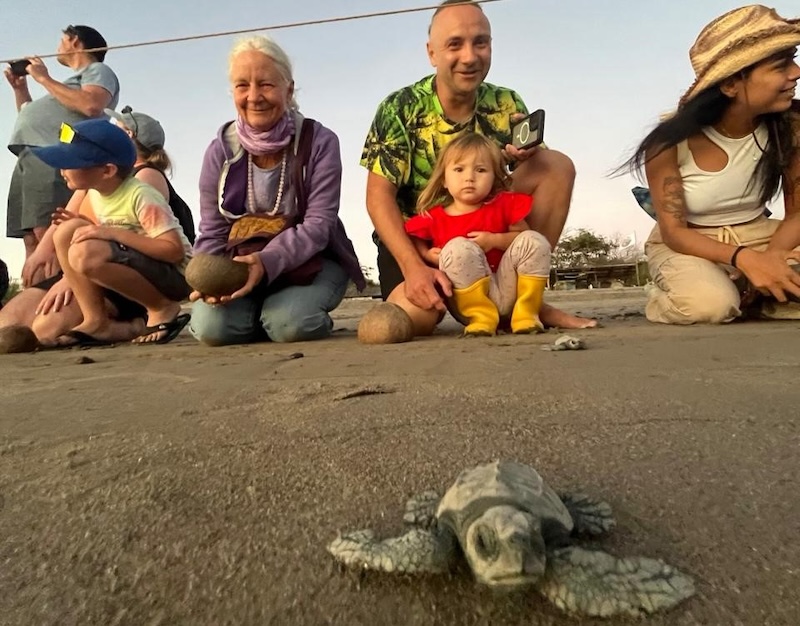
Sea turtle release season has begun in Puerto Vallarta, giving residents and visitors another opportunity to watch newly hatched turtles make their way across the sand and into the Pacific Ocean.
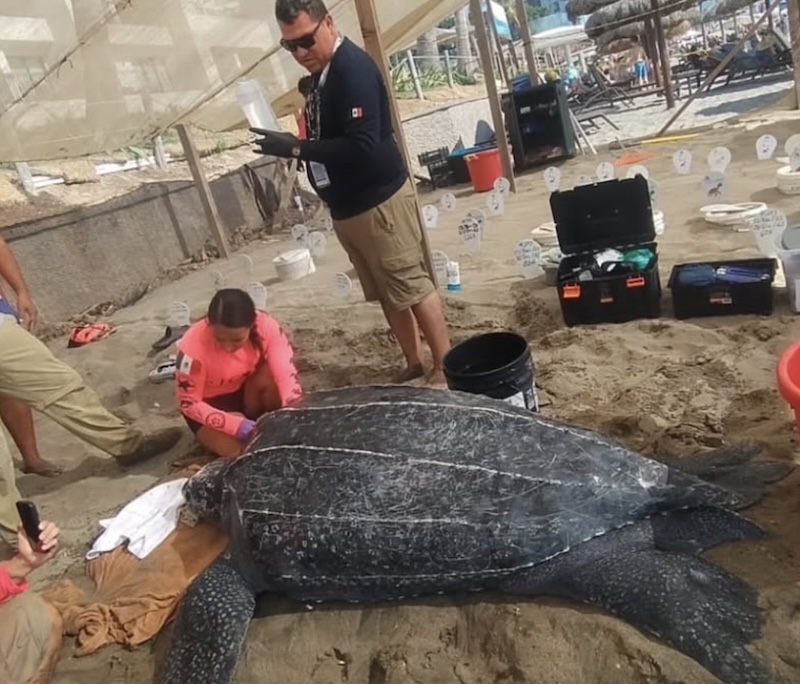
Every year, sea turtles arrive on beaches throughout Puerto Vallarta and Banderas Bay to lay their eggs. Conservation teams patrol the coastline, locate nests and, when necessary, relocate the eggs to protected hatcheries where they can develop away from predators and other risks.
Incubation generally lasts around 45 to 50 days, depending on the species and environmental conditions. Once the hatchlings emerge, releases are commonly organized near sunset, when temperatures are lower and conditions are more favorable for their journey to the water.
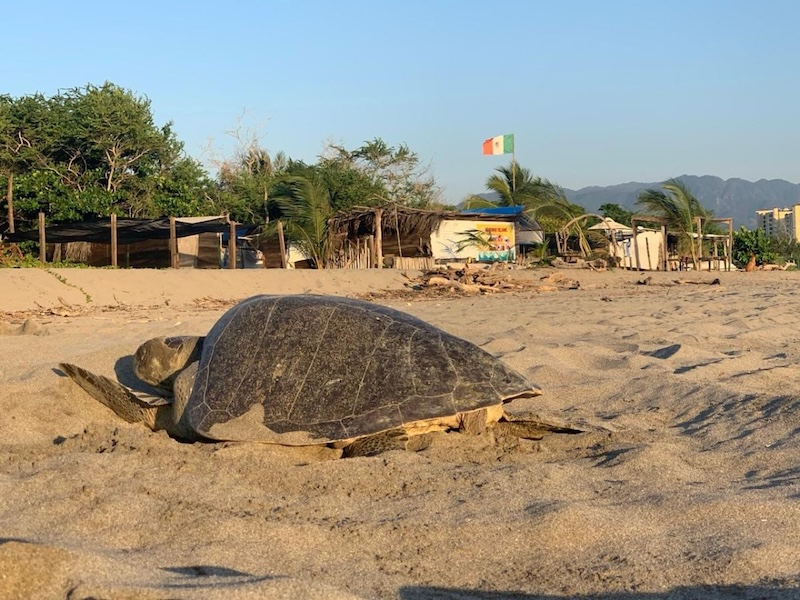
The Puerto Vallarta Tourism Board highlighted Campamento Tortuguero Boca de Tomates among the local conservation programs where the public can participate. During the 2025–2026 season, the camp protected more than 36,000 eggs and released 30,864 sea turtle hatchlings.
Conservation efforts also take place through programs operated by or in collaboration with hotels across the bay, including Marriott Puerto Vallarta, The Westin Playa Vallarta, Sunscape Puerto Vallarta, Hyatt Ziva, Hotel Rosita, El Pescador and Velas Vallarta.
Biologist Alberto Jaime is the field conservation coordinator for the Marina Vallarta area with CEMBAB A.C. He works with the programs at Marriott and Westin and has participated continuously in sea turtle conservation in Puerto Vallarta since 2015.
Although the season has not been as active as initially anticipated, the region continues to record nesting activity. “We have seen a good number of turtles arrive in Puerto Vallarta and throughout Banderas Bay this season,” Jaime said.
The turtles face several threats before their hatchlings ever reach the ocean. Jaime identified poaching and illegal egg collection among the continuing risks. Coastal structures such as jetties and breakwaters can divide nesting areas, while stormwater outlets that empty onto the beach may obstruct turtles searching for a suitable place to lay their eggs.
Visitors can support conservation by carefully following the instructions of camp staff. During a release, participants should remain behind the designated line, avoid touching the hatchlings and never use flash photography. Bright white light can disorient the turtles, which use the lighter horizon as a guide toward the ocean.
If a wave reaches the observation area, participants should remain still. Hatchlings can be carried back in the water and may be accidentally stepped on if people begin moving around.
Public participation also provides an opportunity for environmental education. Visitors not only witness a natural event but learn how to respond responsibly if they later encounter a nesting turtle or hatchlings on another beach.
Those interested in attending a release can contact participating camps and hotels directly. Local nature-tour operators, including Bionature Tours, can also help visitors connect with supervised release experiences.
Dates and times cannot always be guaranteed because each release depends on the natural hatching of the nests and conditions on the beach. The experience may last only a few minutes, but it represents weeks of conservation work—and an opportunity to understand why protecting Puerto Vallarta’s coastline remains essential.
Esta publicación también está disponible en: