




Esta publicación también está disponible en:
O&APV Editor and Associate Publisher Saw First Hand How Online Misinformation Intensified Fear as Cartel-related Violence Disrupted Parts of the City.
I did not experience the incidents of violence, narcobloqueos (cartel roadblocks), and arson that occurred in Puerto Vallarta on Sunday, February 22, 2026, firsthand. However, I experienced the events through my screens.
For a few days, I convinced myself that I was lucky to be 600 miles away from my city while all of this was happening. With the benefit of perspective—and considering the false, out-of-context, or AI-generated content that circulated on social media—today I am not so sure I was that fortunate.
The first image that reached my phone that morning showed smoke from a fire in the Romantic Zone around 8:45 a.m. The video was accompanied by a message: “Does anyone know what is happening here, near Amapas?”
I was on my way to the Mexico City International Airport to catch a flight back to my native Puerto Vallarta after a recreational weekend. I did not give the image much thought.
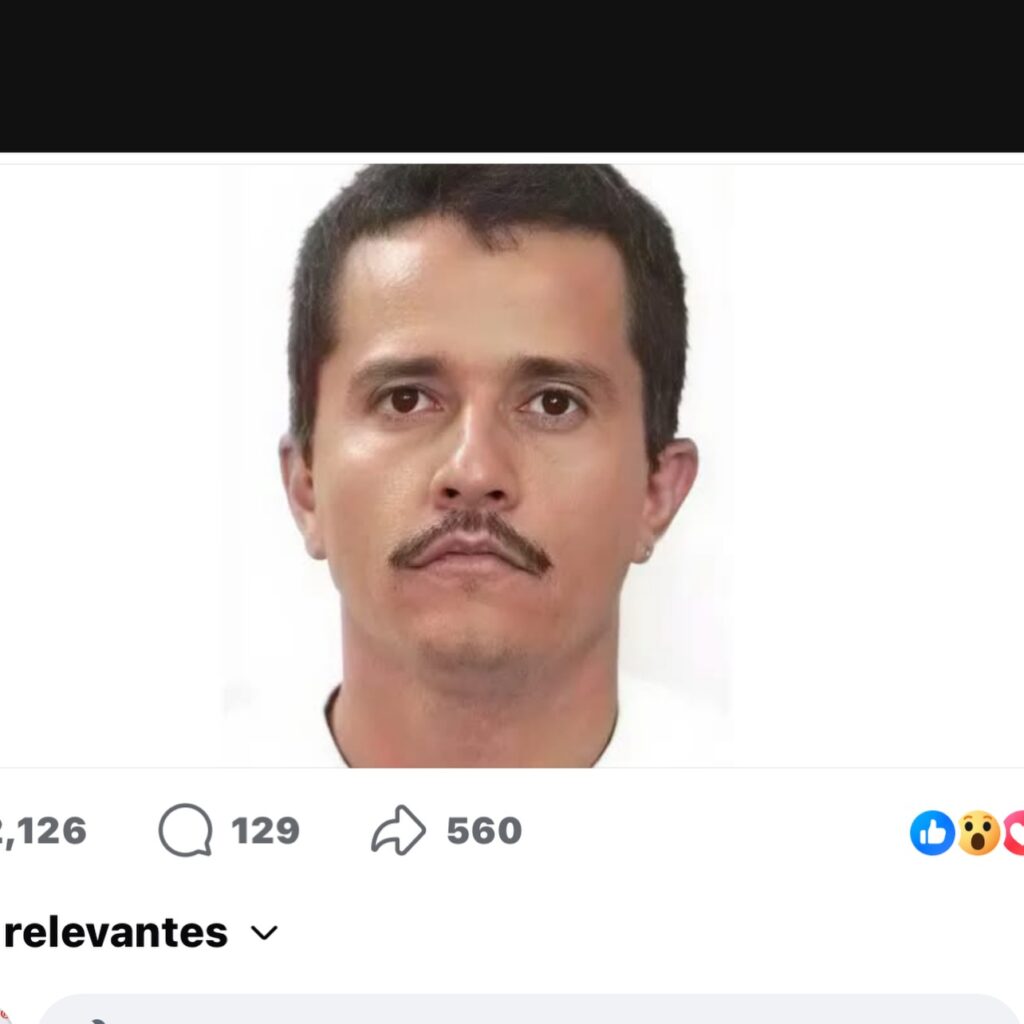
Nevertheless, in the following minutes, I was suddenly bombarded with several more photos of vehicles and a city bus set on fire in the area. Later, dramatic images emerged from other neighborhoods. Something serious was happening, and it would not take long for me (or any of us) to realize that the events were at the hands of the cartel, and subsequently, to understand they were related to the capture and death of “El Mencho,” Mexico’s most wanted kingpin.
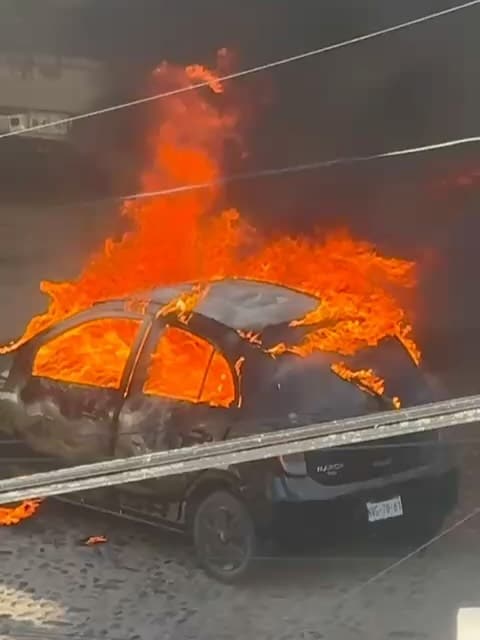
Many of my friends live or work in that area. I thought of my family, who had planned to go out for breakfast toward El Tuito. I also thought of all the people heading to their jobs. It was the beginning of a nervousness that stayed with me for several days. As more and more images reached my mobile and as I attempted to communicate with my loved ones, anxiety set in: Oh my God, now they are burning convenience stores… Where will the next fire be? Will they start attacking civilians? Why isn’t the police doing anything? What happens if I take this flight and find myself trapped at the airport upon arrival? What if they attack the terminal?
By 9:50 a.m., another WhatsApp message was forwarded to me: “I just picked up my mom here in Ixtapa and I’m with her, but damn, right now there is a huge riot in the prison, man. They killed a bunch of guards and just now, as a broken-down car was passing, a bunch of inmates escaped, man. There are about 10 or 15 guys running around here, but I’m going back to Las Palmas,” it said. Subsequently, a video appeared showing a dozen individuals running across an open field. Is this real? I wondered.
Given this outlook and already in the boarding lounge, I could not believe the flight remained scheduled. Passengers began to board. With the support of my family, I decided to leave the airport and return to the hotel, where I could not tear myself away from my phone. My family and friends were now safe, but the acts of vandalism did not cease. Like many of us, I followed the flow of information—or “disinformation”—minute by minute from a distance.
Disinformation and the Use of AI
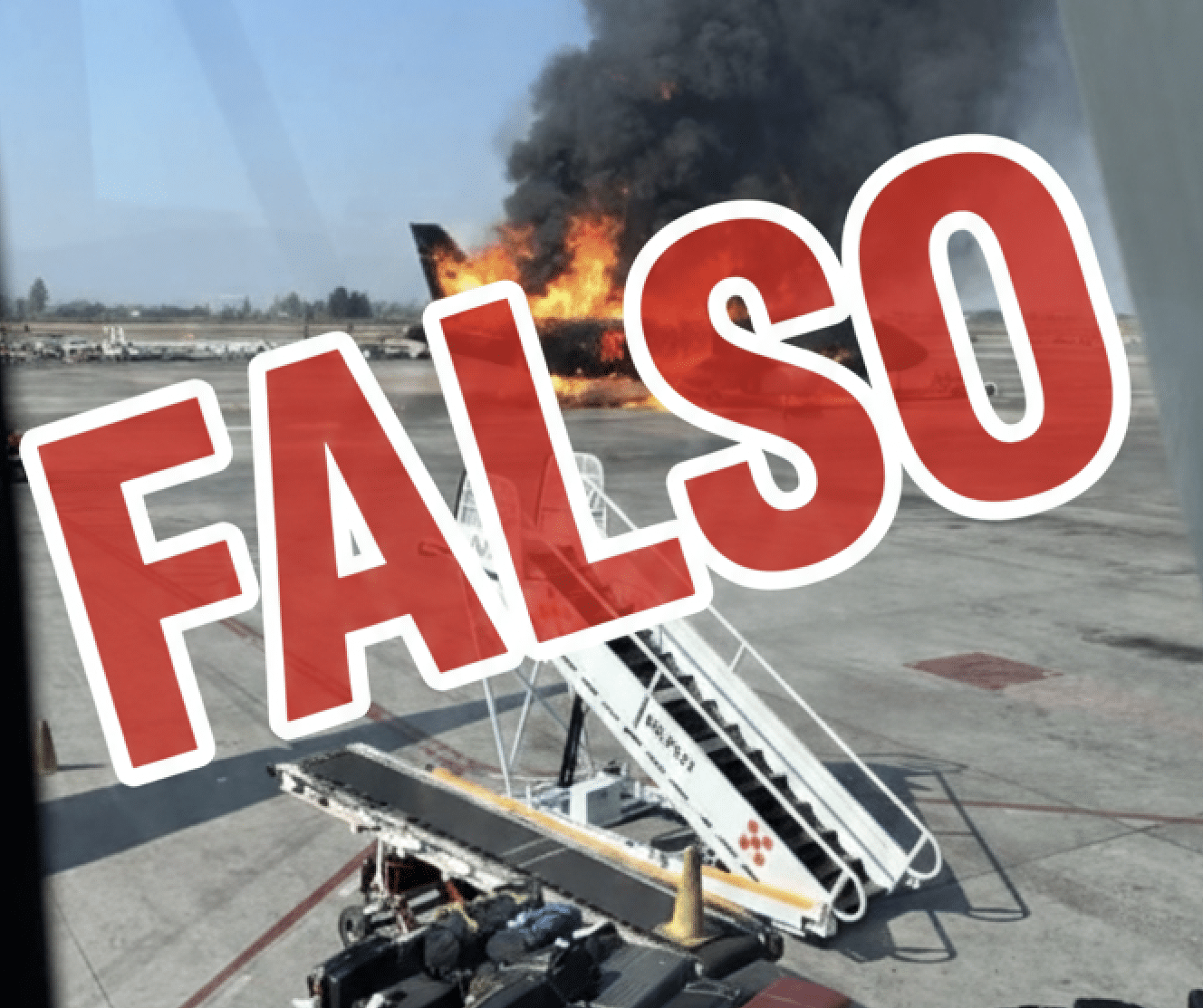
By noon, confined to my hotel, my anxiety turned to panic upon receiving an image “forwarded many times” showing a plane in flames on a runway: They’ve entered the airport, the text read. Then, images of people running on a tarmac. I tried to calm myself, thinking: This doesn’t look like Puerto Vallarta; it must be Guadalajara. How horrific, poor people. I don’t want them to attack my city’s airport. I would later learn that the image of the plane was fake, created with artificial intelligence, and the videos were taken out of context.
Almost at the same moment, I received another audio clip “forwarded many times.” This time, a woman’s voice claimed, “Here in the San Esteban neighborhood, they are already shooting at people in the street; there are trucks driving around shooting at everyone outside.” I called my mother, who lives just blocks from that area: “Don’t even think about looking outside,” I said, desperate.
Alberto Díaz de León, a psychologist at the Vallarta Gay+ Community Center who provided online emotional support during and after the events, explains this panic—which can become collective—and the mass reproduction of content that may or may not be reliable: “We were all in a state of alert, a vulnerable state of confusion and even denial. We were trying to understand what was happening while also looking out for our loved ones. For this reason, I believe people began to share and reproduce this type of content so that others would be careful.”
I also remember seeing, at some point during the day, an aerial image of the area where the Puerto Vallarta parish is located, with multiple nearby fires. I told myself, Okay, this isn’t real; it was generated by artificial intelligence. It was evident to me, but I thought of those who might believe it. It was perhaps at this moment that I decided to try to calm down, take a few minutes to analyze every piece of information received, and yes, eventually put my phone away for a while.
I also decided to only trust those media outlets and colleagues who were bravely reporting live from the area. For example, local journalist Susana Carreño, who was reporting from the Licenciado Díaz Ordaz Airport; my colleague Zack de la Cerda from Out and About PV, who shared a general view of the city from his home in an elevated part of the Romantic Zone; and the messages from the local press WhatsApp group, where information was shared and discerned.
Surely, as you read this article, other examples of disinformation from that day may come to mind—incidents that affected not only the emotions of the recipients but also the image of Puerto Vallarta, a place I still consider safe and deeply.
In a recent press release issued by local business owners to the community, this very concern was expressed: “Some of the images circulating on social media were understandably alarming – and in many cases false. In times like this, information and misinformation can spread quickly. Therefore, we want to communicate clearly – there are no reports of injuries to civilian residents or visitors in Puerto Vallarta, and the situation was brought under control within hours.”
With perspective, analyzing this difficult experience shared by those of us who were far away and those confined at home within the city, I would like to think that the next time we face a similar situation—wherever it may occur—we will have better tools to discern information and maintain our calm. Alberto Díaz concluded our conversation with several of these tools, for such situations: “The priority is to safeguard life and physical well-being. It is recommended to follow only reliable communication channels, such as official and government sources, while also paying attention to how we are feeling, practicing breathing exercises, and staying in communication with those close to us.”
Esta publicación también está disponible en: